

Buying your first vehicle is an exciting milestone, but it can also feel overwhelming.
With hundreds of models, different fuel types, financing options, and maintenance costs,
it’s important to understand the basics before making a purchase. This guide walks you
through everything you need to know to choose the right car for your lifestyle and budget.
Why Planning Before Buying Matters
Many first-time buyers focus only on the purchase price. However, the total cost of
ownership includes fuel, insurance, registration, servicing, depreciation, and repairs.
Planning ahead helps you avoid unexpected expenses and ensures that your vehicle remains
affordable for years to come.
Set a Realistic Budget
Determine how much you can comfortably spend without affecting your monthly finances.
Remember that owning a car involves ongoing costs beyond the initial purchase.
Expenses to Consider
- Vehicle Purchase Price
- Registration Fees
- Insurance Premium
- Fuel Expenses
- Routine Maintenance
- Unexpected Repairs
Helpful Tip
Experts generally recommend keeping your monthly vehicle expenses below 15–20% of your
monthly income whenever possible.
Summary
A realistic budget is the foundation of a smart purchasing decision.
Choose the Right Vehicle Type
Different vehicle categories are designed for different lifestyles. Consider your daily
driving habits before selecting a model.
Popular Options
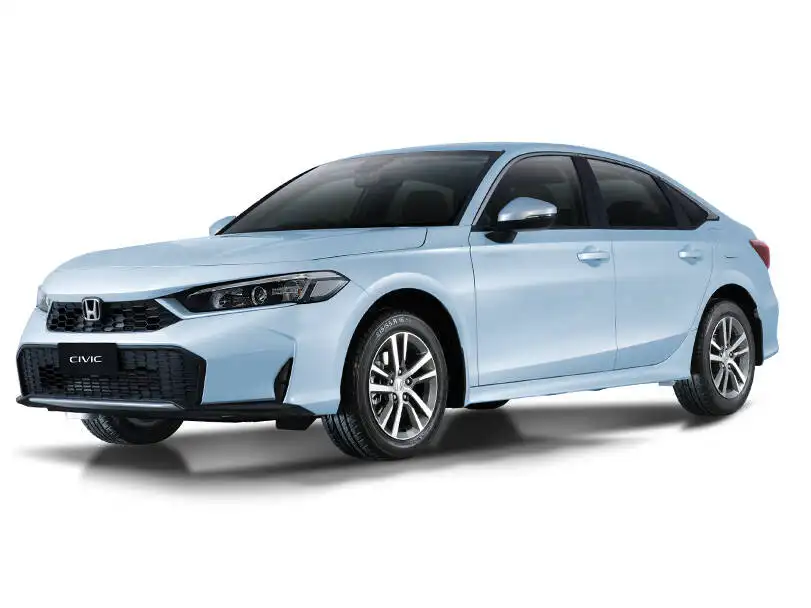
- Sedan
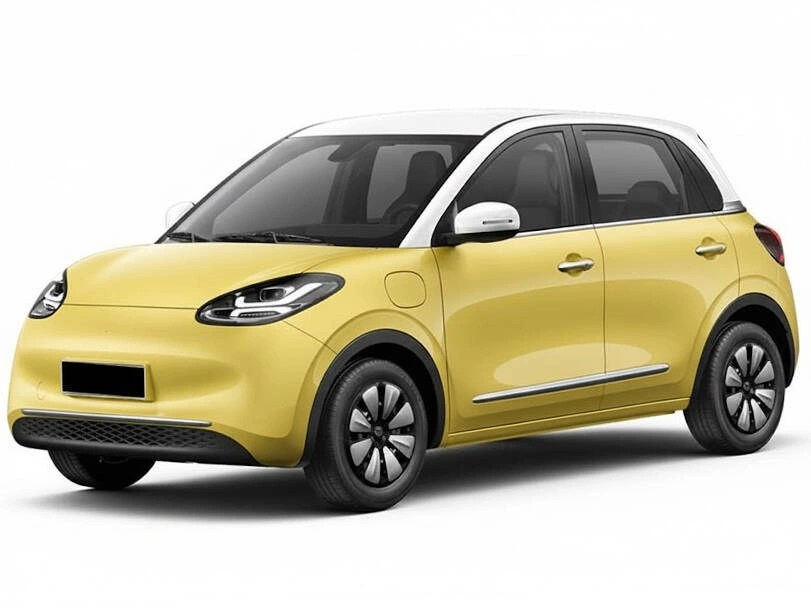
- Hatchback
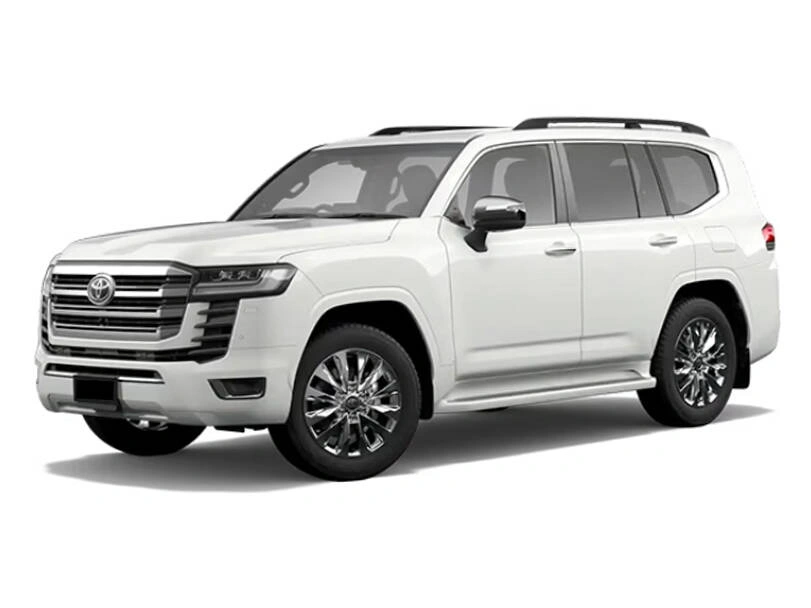
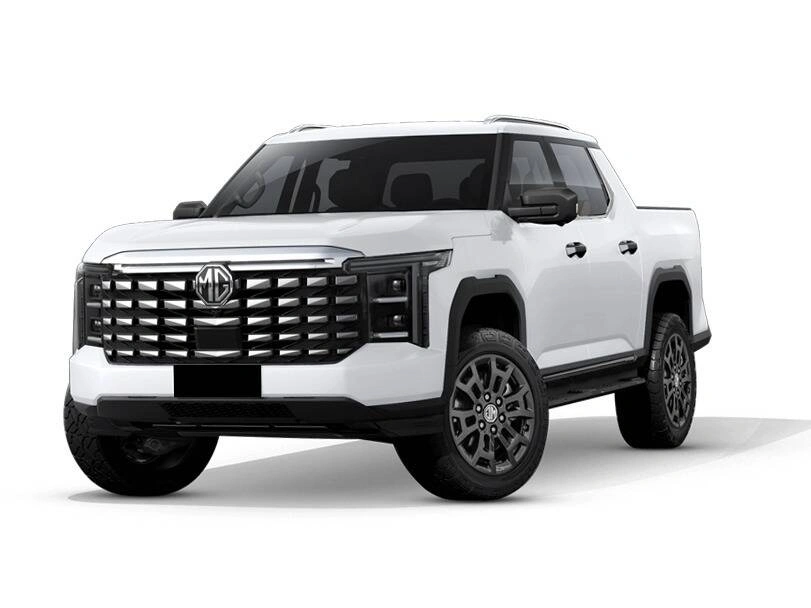
- SUV
- Pickup Truck
- Electric Vehicle
- Hybrid Vehicle
Families usually prefer SUVs due to additional space, while city drivers often choose
compact hatchbacks for easier parking and improved fuel economy.
New vs Used Cars
| Feature | New Car | Used Car |
|---|---|---|
| Purchase Price | Higher | Lower |
| Warranty | Full Manufacturer Warranty | Limited or None |
| Depreciation | High | Slower |
| Maintenance | Usually Lower | May Be Higher |
Features Worth Considering
Modern vehicles offer many features that improve safety and convenience. Prioritize
features that you’ll actually use every day.
- ABS Braking System
- Electronic Stability Control
- Multiple Airbags
- Reverse Camera
- Parking Sensors
- Apple CarPlay
- Android Auto
- Bluetooth Connectivity
- Cruise Control
- Keyless Entry
Test Drive Checklist
Never buy a vehicle without taking a proper test drive.
A test drive tells you more about a car than reading ten online reviews.
During the Test Drive
- Listen for unusual engine sounds.
- Test braking performance.
- Check steering response.
- Drive on different road surfaces.
- Evaluate seat comfort.
- Test all electronic features.
Inspect the Vehicle Carefully
Whether buying from a dealership or an individual seller, inspect the car thoroughly.
Exterior Inspection
- Paint consistency
- Rust spots
- Tire condition
- Windshield cracks
- Headlights
Interior Inspection
- Seat condition
- Dashboard warning lights
- Air conditioning
- Infotainment system
- Power windows
Review Vehicle Documents
Always verify documentation before completing the purchase.
- Registration Certificate
- Service History
- Insurance Papers
- Ownership Records
- Accident History
Maintenance Schedule
Every 5,000 km
- Oil Change

Every 10,000 km
- Tire Rotation

Every 20,000 km
- Brake Inspection

Every 40,000 km
- Transmission Service
Useful Buying Tips
Here are a few additional recommendations to help you make a confident decision.
- Research online reviews.
- Compare multiple dealerships.
- Negotiate the final price.
- Don’t rush your decision.
- Bring an experienced friend if possible.
Frequently Asked Questions
Should I buy a new or used vehicle?
If your budget allows, a new car offers warranty coverage and peace of mind.
Otherwise, a well-maintained used vehicle can provide excellent value.
How much should I spend?
Buy a vehicle that comfortably fits your financial situation rather than stretching
your budget.
Is financing a good option?
Financing can make purchasing easier, but compare interest rates and total repayment
costs before signing an agreement.
Recommended Resources
Learn more by visiting the following resources:

Example Vehicle Information
Sometimes dealerships provide technical specifications in a structured format.
Engine: 2.0L Petrol | Transmission: Automatic | Drive: FWD
Final Thoughts
Buying your first vehicle doesn’t have to be stressful. By researching your options,
setting a realistic budget, comparing different models, and performing a careful
inspection, you can make a purchase with confidence. Take your time, ask questions,
and remember that the right vehicle is one that fits your needs—not simply the most
expensive one available.